


Get a Quote
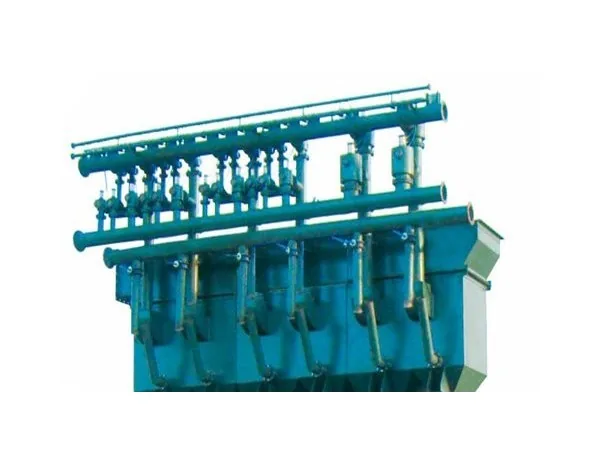

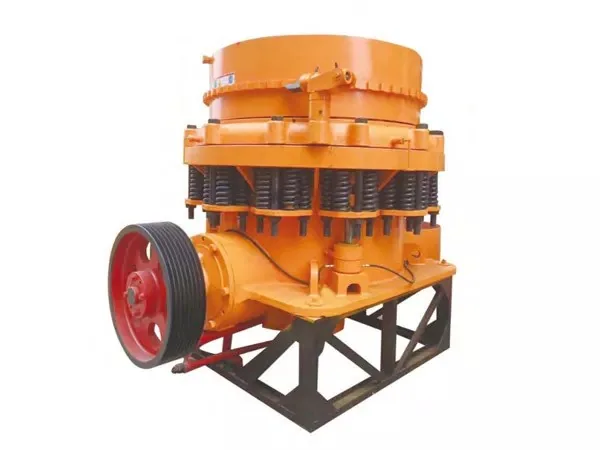
Size raw coal and ore before washing — jaw, cone and hammer crushers plus ball mills, matched to your feed size and product target.
Size raw coal and ore before washing — jaw, cone and hammer crushers plus ball mills, matched to your feed size and product target.
Already have a washability report? Send it — we size the machine from your coal, not from a catalogue.
The questions that decide whether this equipment fits your plant, answered directly.
| Buyer question | Dehui Mining answer |
|---|---|
| Which coal types is it best for? | Raw coal and gangue top-size control before the washing unit — spring cone crushers for hard gangue, hammer crushers for softer coal. |
| What is the main advantage? | Size reduction is configured from your washability data and feed size distribution, not from a catalogue default. |
| What is the typical duty? | 150–300 mm run-of-mine feed reduced to below 50 mm for jigging or dense medium separation. |
| What decides which machine fits? | Feed top size, capacity, coal hardness and how much fines your washing unit can tolerate. |
| When is it not the first choice? | Fine slime treatment — that belongs to screening and filter press equipment. |
| What is the delivery time? | 30–45 days after the configuration is confirmed. |
| What warranty comes with it? | 12 months from commissioning, with wear parts stocked. |
| What should my RFQ include? | Feed size distribution, target top size, capacity and coal hardness. |
Three duties this equipment is built for. Each application page carries the full process detail and field notes.
Top size control before jigging or dense medium separation.
Controlled fines generation to protect coking value.
Hard rock duty with high abrasion resistance.
Dehui builds and configures crushing stations around three inputs: the raw coal or ore size distribution, the target top size for the washing unit, and the throughput you need to hold. Spring cone crushers handle hard gangue and ore; hammer crushers suit softer coal with a high fines tolerance; ball mills are used where fine grinding is part of the flow sheet.
Indicative ranges only. Final figures are fixed once your coal data and site conditions are confirmed.
| Parameter | Typical range | What decides it |
|---|---|---|
| Feed size | ≤ 300 mm (typical) | Determines the crusher model and feed opening. |
| Discharge size | 10–50 mm adjustable | Must match the washing unit's optimum top size. |
| Capacity | 50–600 t/h | Set by your plant throughput and shift pattern. |
| Drive | Electric motor + V-belt or direct coupling | Selected for starting torque and site power supply. |
Every unit is configured from your washability data, feed size distribution and product target — then factory-assembled and tested before shipment.
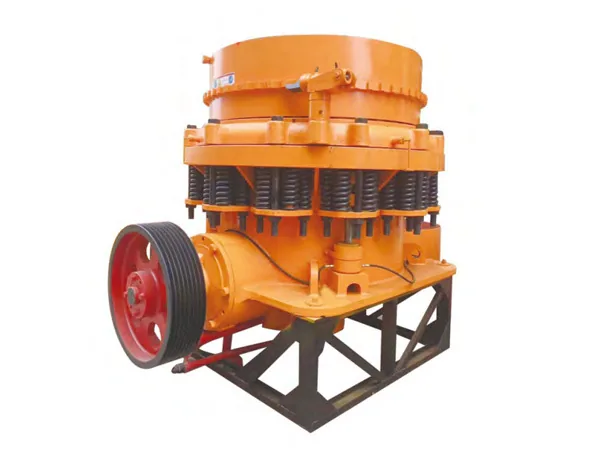
Industrial Grade · Factory assembly tested
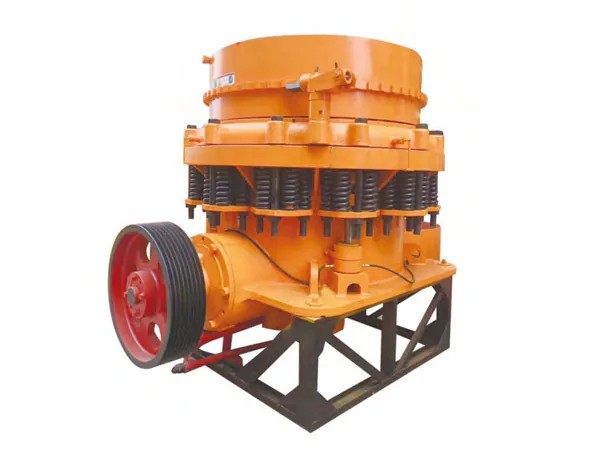
Simmons-type spring cone crusher for medium-hard coal, gangue and ore. Hydraulic clearing, stable cavity shape, low fines generation.
Industrial Grade · Factory assembly tested
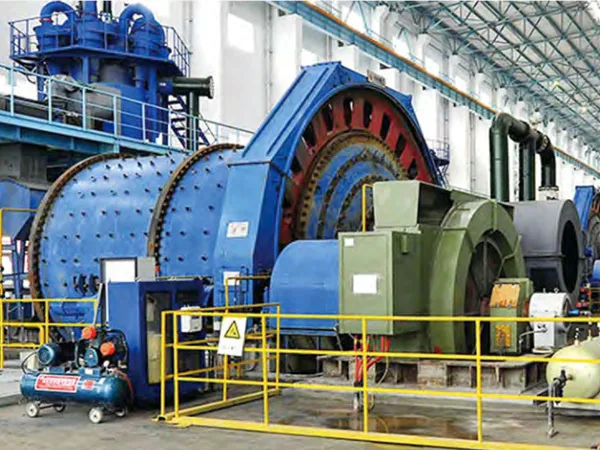
Horizontal ball mill for fine grinding duty in coal slime and gangue processing lines, with matched drive motor and liner configuration.
Industrial Grade · Factory assembly tested
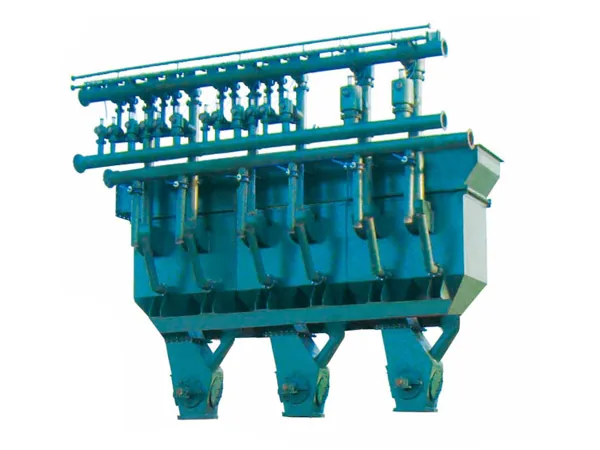
Primary crushing for large raw coal lumps and ore, with a wide feed opening and adjustable discharge setting.
Industrial Grade · Factory assembly tested
Impact-type crusher for softer coal where a higher fines proportion is acceptable, with reversible hammers for longer service life.
Send us your raw coal capacity, feed size and product target — our engineers will recommend a suitable configuration.
If your feed contains hard gangue or ore and you need a tight top size with limited fines, a cone crusher is usually the right choice. If the material is softer coal and a higher fines proportion is acceptable, a hammer crusher costs less to buy and maintain.
Most jig washing duties run best with a top size between 50 mm and 100 mm depending on the jig type and the coal's washability. We confirm the target from your coal analysis rather than applying one figure to every project.
Yes. Crushing, screening, jigging, dewatering and slime water treatment are designed together so the interfaces — chute angles, conveyor capacities, dust points — are resolved before shipment.