


Get a Quote
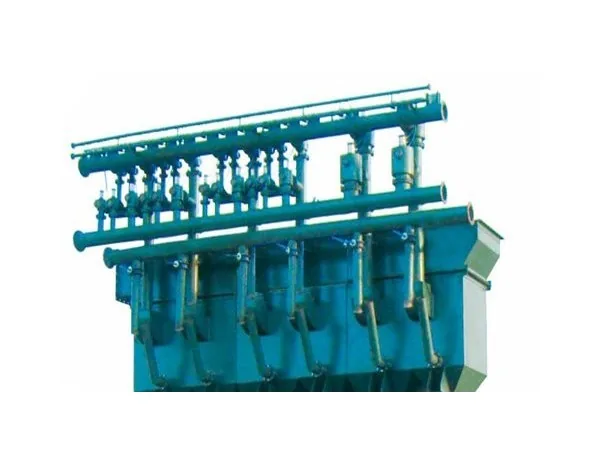


Lifting dewatered clean coal to stockpile or loading, with drainage continuing during the lift.
After washing and dewatering, clean coal still carries surface moisture. Lifting it with a perforated-bucket elevator lets that water drain during the lift instead of arriving at the stockpile or the truck.
This dual function is why the T-type dewatering elevator is common in jig plants: it replaces a separate lifting and drainage step, saving building height and one piece of equipment.
Dehui matches bucket perforation pattern and chain speed to the product size and tonnage, because those two variables decide how much water actually drains during the lift.
Indicative values. Final figures follow from your coal analysis and site conditions.
| Parameter | Typical Range |
|---|---|
| ParameterTypical requirement Capacity | 50–500 t/h, set by bucket volume and chain speed |
| Lift height | Up to 30 m |
| Bucket type | Perforated for drainage during lift |
| Product size | Sets perforation pattern and bucket opening |
| Residual moisture | Lower than plain lifting, higher than a dedicated dewatering screen |
Chain speed is a trade: faster lifts more but drains less. The right speed depends on the moisture target.
Where very low product moisture is required, a dewatering screen after the elevator is still the correct addition.
Discharge into stockpile should account for segregation — free-falling coal separates by size, which affects product consistency.
It reduces moisture, but where a tight moisture specification applies, a dedicated dewatering screen is still needed.
From the tonnage requirement and the drainage time needed — faster speed means less residence time for water to leave the buckets.