


Get a Quote
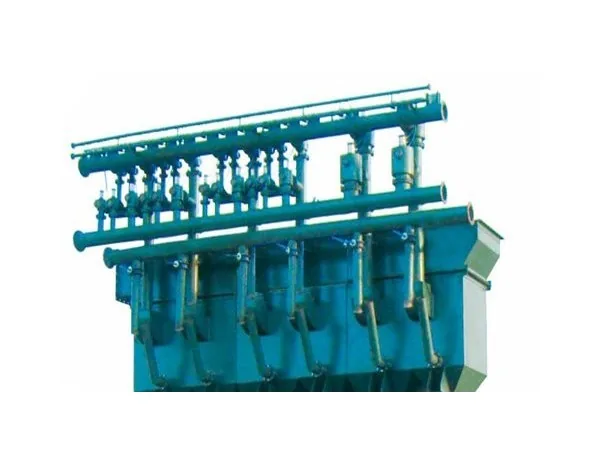


Lifting raw coal into the washing circuit reliably, with capacity margin for feed variation.
The feeding elevator sets the rhythm of the whole plant. If it cannot hold the design tonnage when the feed is wet or lumpy, the washing unit starves and the plant loses throughput it was designed to deliver.
Raw coal feeding is a harder duty than product handling: the material is heavier, more variable in size, and often wet enough to stick. Bucket volume, chain speed and discharge chute design all have to account for that.
Dehui sizes T-type elevators with capacity margin for feed variation and specifies wear-resistant chain and buckets for the abrasion the raw coal carries.
Indicative values. Final figures follow from your coal analysis and site conditions.
| Parameter | Typical Range |
|---|---|
| ParameterTypical requirement Capacity | 50–500 t/h with margin for peak feed |
| Lift height | Up to 30 m, set by plant layout |
| Feed size | Up to the crusher discharge top size |
| Chain | Roller chain, wear-resistant, sized for starting torque |
| Discharge | Chute designed for wet, sticky coal |
Wet raw coal sticks to buckets and chutes. Discharge chute angles and bucket shape matter more than nominal capacity on wet duty.
Starting torque with a loaded elevator is significantly higher than running torque. Drive selection should reflect that, not just running power.
Chain inspection intervals belong in the operating manual, not in a maintenance backlog.
Yes, with appropriate bucket shape and discharge chute angles. Very sticky coal may need a different feeder arrangement entirely.
Abrasion in the feed, lift height and lubrication practice. Wear-resistant chain and scheduled inspection are the main controls.