


Get a Quote
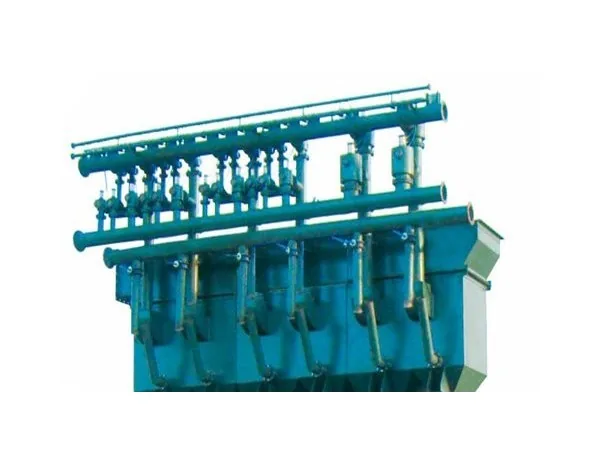

One-key start-up and remote monitoring are the headline features. The operational gain comes from interlocking that prevents the sequences which damage equipment.
Unmanned operation is usually presented as a labour story. In practice the value sits in a narrower place: preventing the specific sequences that break machines.
A one-key start sequence runs the plant's equipment in a fixed order with fixed time delays, so conveyors start before the units feeding them and stop after. The engineering content is in the interlock table, not the button. Every interlock encodes a failure mode the plant has experienced or anticipates.
In a coal preparation plant these are consistent across sites: a belt started under a full load, a jig fed before the water circuit is running, a filter press opened while the feed pump is still pressurised, a thickener rake overloaded by a sudden solids surge. Each damages equipment or spills material, and each is preventable by interlocking rather than by operator vigilance.
Remote monitoring does not prevent failures; it shortens the time between a fault occurring and someone understanding it. Bearing temperature, motor current, thickener torque and press cycle time are the four signals that carry most of the diagnostic value. Current draw alone often reveals a blocked chute hours before it becomes a stoppage.
Plants with highly variable feed, frequent grade changes, or equipment past its service life still need people on the floor. Automation assumes the process is stable enough for fixed sequences to be correct. Where the feed changes faster than the logic can adapt, manual intervention remains faster.
Most plants get more value from instrumenting four or five critical points and adding hard interlocks than from a full unmanned conversion. That foundation can be extended later without redesigning the control philosophy.