


Get a Quote

Reject streams from coal preparation plants are not inert waste. Crushing and re-washing can recover residual clean coal and grade the remainder as aggregate.
Most coal preparation plants treat gangue as a disposal problem. In the right conditions it is a small revenue stream and a smaller disposal cost at the same time.
No washing plant achieves perfect separation. Composite particles — coal attached to mineral matter — report to the reject stream because their overall density puts them there, even though part of the particle is clean coal. In older plants running coarse separation, that proportion can be significant.
Whether a gangue recovery circuit makes sense depends on three figures. First, how much clean coal is actually locked in the reject — measured by sink-float testing at the liberation size, not estimated. Second, what size the gangue has to be crushed to before that coal is liberated. Third, what the recovered coal is worth against the cost of crushing, re-washing and dewatering it.
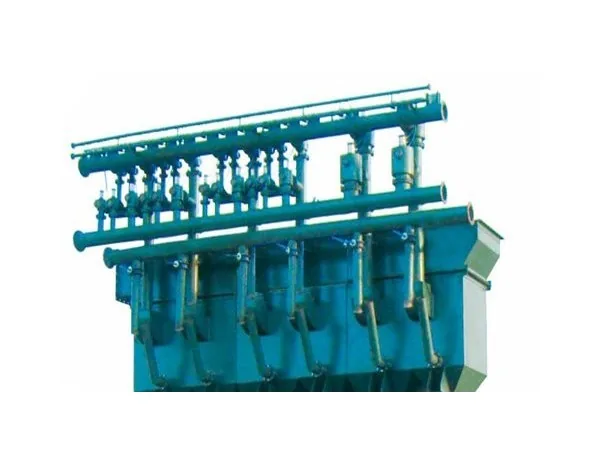
The circuit is straightforward once the numbers are known: crush the gangue to the liberation size, re-wash in a small jig to separate the liberated coal, then dewater both products. A jig suits this duty better than a dense medium circuit, because the tonnage is low, the feed varies, and precision matters less than tolerance.
Crushed gangue that has had its coal removed can often be graded and sold as construction fill or brick feedstock, subject to local specification and sulphur content limits. Where that market exists, the disposal cost that dominated the original business case largely disappears — and that is frequently what makes the project viable.
Test the gangue. Liberation size and recoverable coal content vary so widely between seams and between plants that no general figure is useful. A single sink-float analysis at two or three size fractions will tell you whether the project is worth engineering.