


Get a Quote
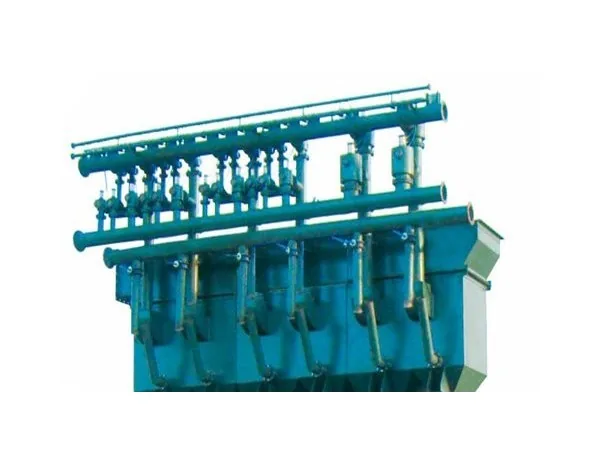


Custom design means five specific decisions are made from your coal data instead of from a template — and each one has a measurable consequence.
Custom design is not a marketing phrase. It is five decisions that are either made from your coal data or defaulted — and the defaults are where plants lose yield.
The crushing station's discharge size sets what the jig or dense medium vessel has to separate. Too coarse and lumps pass without adequate separation; too fine and the slime circuit is overloaded. The correct figure comes from your coal's washability at each size fraction, not from a standard band.
How much fine material is removed before the washing unit decides the effective viscosity of the separation medium. Under-desliming is one of the most common reasons a jig misses its design Ep — and it is invisible in day-to-day operation because the plant simply runs at lower efficiency.
Whether middlings are re-washed, re-crushed and re-washed, or discarded determines plant yield. On difficult coals the difference can be several percentage points, which on a large plant outweighs most equipment cost differences. The decision has to come from the washability curve at the target ash.
Thickener and filter press sized from actual fines generation — not from plant tonnage — decide whether the water circuit closes on a wet, dirty day. This is the single most common under-design in thermal coal plants.
Product moisture is paid for twice: as freight on water, and as a deduction at the receiving plant. The dewatering chain — screen, centrifuge, elevator — has to be specified against the contract moisture, not against what the equipment happens to achieve.