


Get a Quote
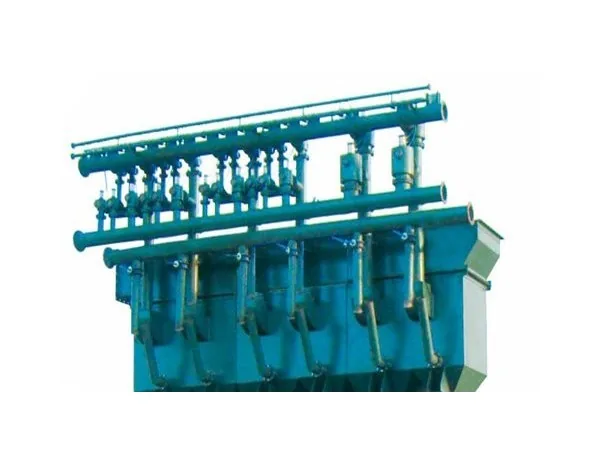


Sizing crushed stone, sand and ore products to specification, with media selected for abrasive duty.
Aggregate screening is a wear problem as much as a sizing problem. Abrasive rock attacks screen media, deck frames and feed points, and the maintenance cost of a badly specified screen quickly exceeds its purchase price.
Dehui supplies linear vibrating screens for aggregate and ore sizing, with deck configuration and media chosen against the abrasion index of the rock rather than a general-purpose default.
Where the plant also crushes, we balance the crusher's closed-side setting against the screen cut points so the circuit produces specification product without recirculating excess load.
Indicative values. Final figures follow from your coal analysis and site conditions.
| Parameter | Typical Range |
|---|---|
| ParameterTypical requirement Cut points | From 3 mm to 100 mm depending on the product mix |
| Decks | 2–3 for graded aggregate production |
| Media | Woven wire, punch plate or rubber for high abrasion |
| Wash water | Optional washing deck for dust-sensitive products |
| Capacity | Up to 500 t/h depending on width and cut point |
Recirculating load is the hidden cost in aggregate circuits. A closed-side setting that is too open overloads the screen and cuts effective capacity.
Rubber media lasts longer on abrasive rock but reduces open area. The right choice depends on the cut point.
Wet screening solves dust problems and improves separation on sticky material, but adds a water circuit that has to be designed in.
Yes — a triple-deck screen produces three fractions plus oversize. The cut points are set by the media apertures on each deck.
Match media to abrasion, control bed depth, and check that the crusher setting is not overloading the deck with recirculating material.