


Get a Quote
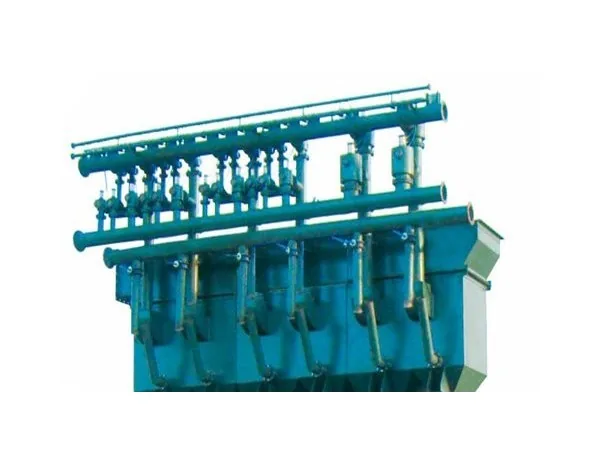


Reducing product surface moisture and removing fine slime before it reaches the separation unit.
Dewatering and desliming are two different jobs that are often confused because both use screens. Dewatering removes surface moisture from the product before loading; desliming removes fine material ahead of the washing unit so it does not degrade separation.
Both directly affect revenue. Excess product moisture is paid for as water in every tonne shipped, and inadequate desliming raises the viscosity of the jig bed or the dense medium, reducing separation efficiency across the whole plant.
Dehui supplies dewatering screens with polyurethane panels and high-frequency fine screens for desliming duty, sized against the fines content of your actual feed.
Indicative values. Final figures follow from your coal analysis and site conditions.
| Parameter | Typical Range |
|---|---|
| ParameterTypical requirement Dewatering cut | 0.5–1 mm, with high-frequency vibration |
| Desliming cut | 0.5–1 mm ahead of jig or cyclone |
| Panel type | Polyurethane for wear and anti-blinding |
| Moisture target | Set by transport and contract terms |
| Fines load | Determines screen area and panel aperture |
A dewatering screen cannot compensate for a poorly performing centrifuge or filter. It removes surface moisture, not inherent moisture.
Desliming efficiency directly sets jig performance. Under-sized desliming screens are one of the most common reasons a jig underperforms its design separation.
Panel aperture wears open over time. Checking it periodically is cheaper than explaining a drifting product specification.
It brings surface moisture down to a level suitable for belt conveying and truck loading. Final figure depends on fines content and the upstream dewatering step.
Fine slime raises the effective viscosity of the jig bed and blurs the separation. Removing it protects the Ep the jig was designed to achieve.