


Get a Quote
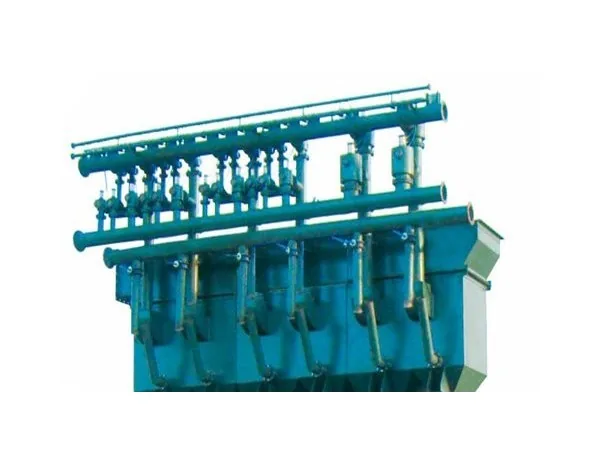


Deeper cleaning for metallurgical coal, where product ash targets are tight and fines recovery directly affects yield.
Coking coal preparation is less forgiving than thermal coal. Product ash targets are lower, the acceptable margin is narrower, and the fines fraction carries real value that has to be recovered rather than lost to tailings.
The process route depends on washability. Easier coking coals can be washed on jigs; difficult coals or very low ash targets usually call for dense medium separation, sometimes combined with a fines circuit using spirals or flotation.
Dehui designs coking coal lines around the washability curve and the target ash, then checks the fines circuit separately — because in most coking coal plants, yield is won or lost in the fines.
Indicative values. Final figures follow from your coal analysis and site conditions.
| Parameter | Typical Range |
|---|---|
| ParameterTypical requirement Product ash | Commonly 8–10.5%, set by the coke plant |
| Process route | Jig, dense medium, or combined with a fines circuit |
| Fines recovery | Spiral or flotation circuit sized on the -0.5 mm fraction |
| Yield | Calculated from the washability curve at the target ash |
| Moisture | Tighter than thermal coal; affects coke oven charging |
Yield is the number that decides project economics. A one percentage point yield gain on a large coking coal plant is worth more than most equipment cost savings.
The fines circuit should be designed with the coarse circuit, not appended afterwards. Water and slime balances connect them.
Middlings handling deserves explicit design attention on difficult coals — re-crushing and re-washing can add several points of yield.
It depends on washability and the ash target. Jigs work for many coking coals; dense medium gives sharper separation where the coal is difficult or the target ash is low.
From the washability curve at the target product ash, using the actual size fractions in your feed. It is a calculation, not an estimate.