


Get a Quote
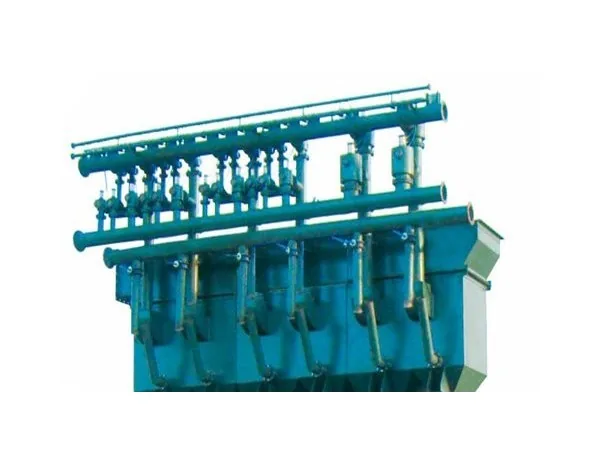


Turning coal slime into a conveyable cake and clear water — the step that decides whether the water circuit closes.
Coal slime is the fine fraction that comes out of the washing process in suspension. If it cannot be dewatered reliably, the plant either loses the fine coal with the water or discharges water it should be reusing.
A filter press does both jobs at once: it produces a cake dry enough to convey and sell, and a filtrate clear enough to return to the washing circuit. The sizing question is whether the press can keep pace with slime production, including the days when the feed coal is dirtier than average.
Dehui sizes XMZ filter presses from dry slime tonnes per hour, target cake moisture and cycle time, with margin for fines variation — because the fines fraction is what controls both cake moisture and cycle length.
Indicative values. Final figures follow from your coal analysis and site conditions.
| Parameter | Typical Range |
|---|---|
| ParameterTypical requirement Dry slime load | Calculated from fines generation, not from plant tonnage |
| Cake moisture | 18–28% depending on fines content |
| Cycle time | 20–45 minutes per cycle |
| Filtration area | 30–500 m², sized with margin for peak slime |
| Filtrate clarity | Set by flocculant dosing upstream |
Ultra-fines are what make dewatering difficult. A slime with a high -0.045 mm fraction needs more area and longer cycles than the tonnage alone suggests.
Flocculant dosing point and dose rate affect both filtrate clarity and cake moisture. It should be tuned at commissioning, not left at the supplier default.
Two smaller presses sometimes beat one large press, because a single press stopping for maintenance takes the whole slime circuit down.
From dry slime tonnes per hour, target cake moisture and cycle time, plus margin for fines variation. We run the calculation against your slime size distribution.
With correct flocculant dosing, normally yes. That is what closes the water circuit and cuts fresh water intake.